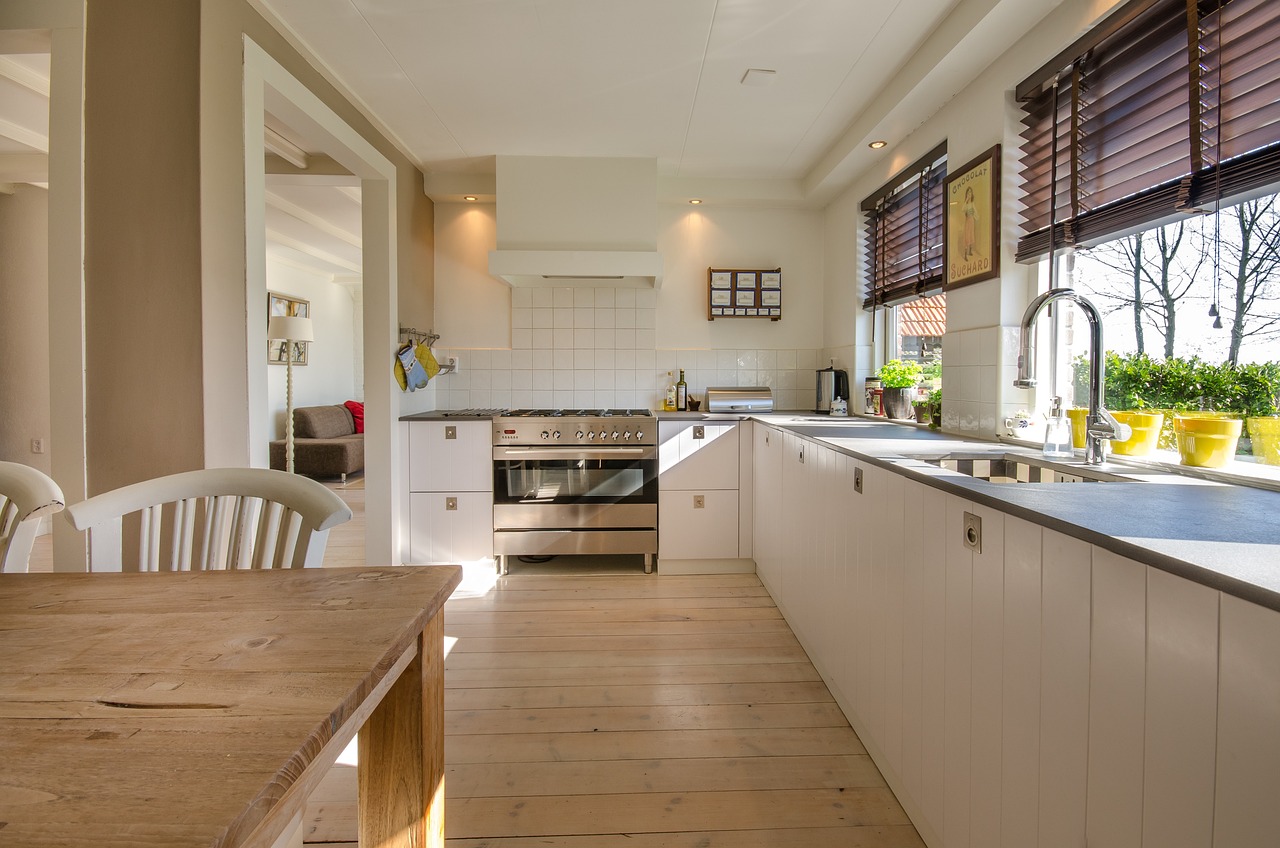
Choosing the right restaurant flooring is one of the most important investments you can make for your hospitality business. The flooring in your restaurant does much more than complement your interior design, it plays a vital role in customer safety, staff comfort, hygiene, and the overall dining experience.
Restaurants are high-traffic environments that experience constant movement, frequent spills, heavy furniture, and regular cleaning. As a result, flooring needs to be durable enough to withstand daily wear while maintaining its appearance over time. It should also be easy to clean, resistant to moisture, and capable of meeting commercial hygiene standards.
Different areas within a restaurant have different flooring requirements. While the dining area should create a warm and inviting atmosphere, the kitchen requires flooring that prioritises safety and hygiene. Similarly, bar areas, reception spaces, and washrooms each benefit from flooring materials specifically suited to their environment.
Choosing the right commercial restaurant flooring for each area helps reduce maintenance costs, improve operational efficiency, and create a positive experience for both customers and employees.
In this guide, we’ll explore the best flooring options for restaurants, compare their advantages and disadvantages, and explain how to choose the most suitable flooring for every part of your hospitality business.
Key Factors to Consider When Choosing Restaurant Flooring
Before comparing different flooring materials, it’s important to understand what makes a flooring solution suitable for a commercial hospitality environment.
1. Durability
Restaurant floors experience heavy daily use from customers, staff, furniture, and equipment. Choose flooring that resists scratches, heavy foot traffic, impacts, and frequent cleaning. Investing in durable flooring reduces maintenance and replacement costs over time.
2. Slip Resistance
Safety is essential in any restaurant. Installing non slip flooring for restaurants helps reduce the risk of slips and falls, particularly in kitchens, entrances, and service areas where spills are common. Anti-slip flooring improves safety without compromising on style.
3. Moisture Resistance
Areas such as kitchens, bars, and washrooms are regularly exposed to moisture. Choosing water-resistant restaurant kitchen flooring helps prevent swelling, warping, mould, and surface damage while extending the life of your flooring.
4. Hygiene and Ease of Cleaning
Restaurant flooring should be easy to clean and maintain. Sealed, non-porous surfaces help prevent bacteria, grease, and stains from penetrating the floor, making it easier to maintain high hygiene standards.
5. Design and Customer Experience
Your flooring should complement your restaurant’s interior and create the right atmosphere. Whether you prefer wood, stone, concrete, or carpet finishes, the right flooring enhances your brand and improves the overall customer experience.
6. Budget and Long-Term Value
Look beyond the initial purchase price and consider durability, maintenance, and lifespan. Investing in quality commercial restaurant flooring often delivers better long-term value by reducing repair and replacement costs.
Types of Flooring for Restaurants
Selecting the right flooring material depends on the function of each area within your restaurant. While dining spaces benefit from flooring that enhances the overall ambience, kitchens require surfaces that prioritise safety, hygiene, and durability. Below are some of the most popular flooring options for restaurants and hospitality businesses.
1. Luxury Vinyl Tiles (LVT)
Luxury Vinyl Tiles (LVT) have become one of the most popular choices for modern hospitality businesses, offering the perfect balance of style, durability, and affordability. Designed to replicate the appearance of natural wood, stone, or ceramic tiles, LVT provides a premium finish without the high installation or maintenance costs associated with natural materials.
For restaurant owners looking to create an inviting dining environment while keeping long-term maintenance costs low, LVT flooring for restaurant interiors is an excellent investment. It combines visual appeal with outstanding performance, making it suitable for almost every area of a restaurant.
Unlike traditional flooring materials, LVT is manufactured using multiple protective layers that make it resistant to scratches, stains, moisture, and everyday wear. This makes it particularly suitable for busy hospitality venues where flooring is subjected to constant foot traffic and frequent cleaning.
Many businesses also choose vinyl restaurant flooring because it provides excellent durability without compromising on aesthetics. Available in a wide range of colours, textures, and finishes, LVT allows restaurant owners to match their flooring with virtually any interior design style.
For food preparation areas, vinyl flooring for restaurant kitchen spaces is a practical solution. Commercial-grade vinyl flooring offers superior resistance to moisture, grease, spills, and cleaning chemicals, helping maintain high hygiene standards while reducing maintenance requirements.
Benefits of LVT Flooring
- Realistic wood and stone-effect finishes.
- Highly resistant to scratches and stains.
- Excellent moisture resistance.
- Comfortable underfoot.
- Easy to clean and maintain.
- Suitable for high-traffic commercial environments.
- Available in numerous colours and textures.
- Long lifespan with minimal maintenance.
Best Areas for LVT Flooring
- Dining rooms
- Reception areas
- Cafés
- Restaurant entrances
- Bar areas
- Waiting areas
- Commercial kitchens (using specialist safety vinyl products)
Things to Consider
Although LVT is extremely durable, glued-down installations can be more difficult to replace if individual sections become damaged. If flexibility is important, click-lock vinyl systems may be a better option as they allow easier replacement without disturbing surrounding flooring.
2. Engineered Wood Flooring
If your restaurant aims to create a premium dining experience, engineered wood flooring is an excellent option. It delivers the timeless elegance of hardwood while offering greater stability and durability for commercial environments.
Unlike solid timber flooring, engineered wood is constructed from multiple bonded layers topped with a real hardwood veneer. This layered construction makes it far less susceptible to expansion and contraction caused by temperature and humidity changes.
Engineered flooring is particularly popular in fine dining restaurants, boutique hotels, wine bars, and private dining rooms where appearance plays a significant role in creating a memorable customer experience.
Although engineered wood performs better than solid hardwood, it should still be protected from prolonged exposure to standing water. For this reason, it is better suited to customer-facing areas rather than busy commercial kitchens.
Benefits of Engineered Wood Flooring
- Authentic hardwood appearance.
- Adds warmth and character to interiors.
- More stable than solid wood.
- Suitable for underfloor heating.
- Long-lasting when properly maintained.
- Available in various timber species and finishes.
Best Areas for Engineered Wood
- Dining rooms
- Hotel restaurants
- Reception areas
- Private dining spaces
- Wine bars
- Lounge areas
Things to Consider
Engineered wood generally costs more than laminate or vinyl flooring and may require occasional refinishing depending on the thickness of the hardwood veneer. Regular cleaning and preventative maintenance will help preserve its appearance for many years.
3. Ceramic & Porcelain Tiles
Ceramic and porcelain tiles have long been trusted in the hospitality industry because of their strength, water resistance, and ease of maintenance. They are particularly popular in areas exposed to moisture, such as kitchens, washrooms, and food preparation areas.
Although ceramic and porcelain tiles are often grouped together, porcelain is denser and less porous, making it more durable and better suited to demanding commercial environments.
Available in a vast range of colours, sizes, textures, and finishes, tiled flooring can complement almost any restaurant design, from traditional cafés to contemporary restaurants.
One of the biggest advantages of tiled flooring is its resistance to water, grease, stains, and cleaning chemicals. This makes it an ideal solution for environments where hygiene is essential.
Benefits of Ceramic & Porcelain Tiles
- Highly durable.
- Water and stain resistant.
- Easy to clean and sanitise.
- Heat resistant.
- Available in numerous styles and finishes.
- Excellent lifespan when professionally installed.
Best Areas for Ceramic & Porcelain Tiles
- Commercial kitchens
- Washrooms
- Food preparation areas
- Service corridors
- Utility rooms
Things to Consider
Standard polished tiles can become slippery when wet. To improve safety, many restaurants opt for textured or anti-slip finishes, particularly in kitchens and back-of-house areas. Choosing textured tiles can significantly reduce the likelihood of slips and falls while maintaining an attractive appearance.
Although tiles are extremely durable, individual tiles may crack if subjected to heavy impacts. Fortunately, damaged tiles can usually be replaced without disturbing the surrounding floor.
Expert Tip
Rather than using a single flooring material throughout your restaurant, consider selecting different flooring solutions for each area based on functionality. For example:
- LVT flooring works exceptionally well in dining areas and reception spaces.
- Engineered wood creates an elegant atmosphere in fine dining restaurants.
- Ceramic or porcelain tiles are ideal for kitchens and washrooms where hygiene and moisture resistance are essential.
Combining different flooring materials allows you to balance aesthetics, practicality, and long-term durability while making the most of your investment.
4. Polished Concrete Flooring
If you’re looking to achieve a contemporary or industrial-inspired interior, polished concrete flooring is an excellent choice. Increasingly popular in modern cafés, breweries, and urban restaurants, this flooring solution offers exceptional durability with minimal maintenance.
Polished concrete is created by grinding and sealing concrete surfaces to produce a smooth, glossy finish. Not only does it create a sleek and sophisticated look, but it also withstands heavy foot traffic, making it ideal for busy hospitality venues.
Unlike many traditional flooring materials, polished concrete is resistant to stains, scratches, and impact damage when properly sealed. It also reflects natural light, making restaurants appear brighter and more spacious.
Benefits of Polished Concrete Flooring
- Extremely durable and long-lasting.
- Suitable for high-traffic commercial environments.
- Easy to clean and maintain.
- Modern and minimalist appearance.
- Resistant to stains and heavy wear.
- Can improve light reflection within the space.
- Cost-effective over the long term due to low maintenance requirements.
Best Areas for Polished Concrete
- Modern restaurants
- Cafés
- Breweries
- Industrial-style bars
- Reception areas
- Open-plan dining spaces
Things to Consider
Although polished concrete is exceptionally durable, it can feel harder underfoot than other flooring materials. Restaurant owners may wish to use anti-fatigue mats in staff workstations to improve comfort during long shifts.
5. Laminate Flooring
Laminate flooring has become one of the most popular budget-friendly flooring solutions for restaurants. Offering the appearance of natural wood or stone without the associated cost, laminate is an excellent option for dining areas, cafés, and reception spaces.
Modern laminate flooring for restaurant interiors is manufactured using multiple protective layers, making it resistant to scratches, fading, and everyday wear. This makes it particularly suitable for businesses looking to achieve a stylish finish while keeping renovation costs under control.
Another advantage of laminate flooring is the wide variety of designs available. Whether you’re creating a rustic café, contemporary restaurant, or traditional dining room, there are finishes to complement virtually every interior style.
Although laminate performs well in dry commercial areas, it is less suitable for kitchens or spaces exposed to constant moisture. Excessive water can penetrate the joints and cause swelling over time, so alternative flooring should be considered for food preparation areas.
Benefits of Laminate Flooring
- Affordable alternative to hardwood.
- Attractive wood and stone-effect finishes.
- Scratch and stain resistant.
- Easy to clean and maintain.
- Quick and straightforward installation.
- Comfortable underfoot when installed with quality underlay.
- Excellent fade resistance.
Best Areas for Laminate Flooring
- Restaurant dining rooms
- Cafés
- Reception areas
- Waiting areas
- Meeting rooms
- Staff offices
Things to Consider
While laminate is highly durable, it should not be installed in commercial kitchens or areas with frequent standing water. If moisture resistance is essential, LVT or specialist safety vinyl flooring would be a better choice.
6. Carpet Flooring
Although carpets are not suitable throughout an entire restaurant, they remain an excellent flooring option for selected hospitality spaces. Carpet flooring for restaurants creates a warm, comfortable, and luxurious atmosphere while significantly improving acoustics by reducing background noise.
Restaurants, hotels, and private dining venues often use carpets to create a quieter and more relaxing environment for guests. Carpet also provides additional comfort underfoot, making it particularly appealing in lounge areas and waiting spaces.
For businesses seeking practical maintenance solutions, carpet tiles have become increasingly popular. Individual tiles can be replaced if damaged, reducing long-term maintenance costs without replacing an entire floor.
Many hospitality businesses also choose carpet for flooring for bars, particularly in lounge areas, VIP sections, and private function rooms where comfort and ambience are key priorities.
Benefits of Carpet Flooring
- Creates a warm and welcoming atmosphere.
- Improves acoustics by reducing noise.
- Comfortable underfoot.
- Available in numerous colours, textures, and bespoke patterns.
- Carpet tiles allow easy replacement of damaged sections.
- Helps define premium dining and lounge spaces.
Best Areas for Carpet Flooring
- Hotel restaurants
- Private dining rooms
- Reception areas
- Lounges
- Waiting areas
- Function rooms
- Selected bar seating areas
Things to Consider
Carpet requires more regular cleaning than hard flooring, particularly in areas where food and drinks are served. Choosing stain-resistant commercial carpets and implementing a regular maintenance programme will help preserve their appearance.
Which Flooring is Best for Different Areas of a Restaurant?
Choosing one flooring type for your entire restaurant isn’t always the most practical solution. Different areas have different operational requirements, and selecting flooring accordingly will improve both functionality and longevity.
| Restaurant Area | Recommended Flooring |
|---|---|
| Dining Room | Luxury Vinyl Tiles (LVT), Engineered Wood, Laminate |
| Commercial Kitchen | Safety Vinyl, Porcelain Tiles, Epoxy Flooring |
| Bar Area | LVT, Polished Concrete |
| Reception | Engineered Wood, Carpet, LVT |
| Waiting Area | Carpet, Laminate |
| Washrooms | Porcelain Tiles, Safety Vinyl |
| Corridors | LVT, Polished Concrete |
Bainton Flooring Recommendation
Rather than focusing solely on appearance, think about how each part of your restaurant operates on a daily basis. For example:
- Dining areas benefit from flooring that balances style with durability.
- Kitchens require moisture-resistant, hygienic, and slip-resistant surfaces.
- Reception areas should create a welcoming first impression.
- Bars need flooring capable of handling spills, heavy foot traffic, and frequent cleaning.
- Private dining rooms and lounges can benefit from softer flooring materials that improve comfort and acoustics.
Using different flooring materials throughout your restaurant allows you to maximise performance while creating distinct spaces that enhance the overall customer experience.
Comparison of Restaurant Flooring Options
| Flooring Type | Durability | Water Resistance | Maintenance | Best For |
|---|---|---|---|---|
| Luxury Vinyl Tiles (LVT) | ★★★★★ | ★★★★★ | Easy | Dining rooms, bars, reception |
| Engineered Wood | ★★★★☆ | ★★★☆☆ | Moderate | Fine dining, reception |
| Ceramic & Porcelain Tiles | ★★★★★ | ★★★★★ | Easy | Kitchens, washrooms |
| Polished Concrete | ★★★★★ | ★★★★☆ | Very Easy | Modern restaurants, cafés |
| Laminate Flooring | ★★★★☆ | ★★★☆☆ | Easy | Dining rooms, cafés |
| Carpet Flooring | ★★★☆☆ | ★☆☆☆☆ | Moderate | Lounges, hotel restaurants |
Cost-Saving Tips When Choosing Restaurant Flooring
Choosing the right flooring isn’t just about the purchase price. Looking at the long-term value of your investment can help reduce overall costs throughout the life of your restaurant.
Here are a few practical ways to maximise your budget:
- Compare quotations from reputable commercial flooring specialists.
- Invest in durable materials that require less frequent replacement.
- Select different flooring solutions for different areas rather than using a single material throughout.
- Choose modular flooring products that allow damaged sections to be replaced individually.
- Maintain a regular cleaning schedule to extend the lifespan of your flooring.
- Arrange professional installation to ensure the flooring performs as intended.
- Consider lifetime maintenance costs rather than simply choosing the cheapest option.
A slightly higher initial investment often results in lower repair and replacement costs over time.
Final Thoughts
Choosing the right restaurant flooring is essential for creating a safe, stylish, and durable hospitality space. Whether you opt for LVT flooring for restaurant dining areas, vinyl flooring for restaurant kitchen spaces, laminate flooring for restaurant interiors, or carpet flooring for restaurants, each option offers unique benefits for different areas of your business.
By investing in high-quality commercial restaurant flooring that suits your operational needs, you’ll enhance customer experience, improve safety, and enjoy long-lasting performance with lower maintenance costs.
Need Expert Advice?
At Bainton Flooring, we understand that every restaurant has unique flooring requirements. Whether you’re opening a new café, refurbishing a fine dining restaurant, or upgrading your commercial kitchen, our experienced team can help you choose the ideal flooring solution for your space.
From stylish dining room flooring to heavy-duty commercial kitchen installations, we offer expert guidance and professional installation tailored to your business needs.
Call us at 01202 513 985 for experts’ advice today!
Frequently Asked Questions
1. What is the best restaurant flooring?
The best restaurant flooring depends on the area of your business. Luxury Vinyl Tiles (LVT) are one of the most popular choices because they combine durability, water resistance, easy maintenance, and an attractive finish. For kitchens, specialist safety vinyl or epoxy flooring is generally the preferred option.
2. What is the best flooring for restaurant kitchens?
The best restaurant kitchen flooring should be waterproof, hygienic, durable, and slip resistant. Commercial-grade vinyl, epoxy resin, and textured porcelain tiles are excellent options for busy food preparation areas.
3. Why is non-slip flooring important in restaurants?
Installing non slip flooring for restaurants helps reduce the risk of slips and falls caused by spills, grease, and wet surfaces. It improves safety for both staff and customers while supporting compliance with workplace health and safety regulations.
4. Is laminate flooring suitable for restaurants?
Yes. Laminate flooring for restaurant dining rooms, cafés, and reception areas is an affordable and attractive option. However, it is not recommended for kitchens or other areas exposed to constant moisture.
5. Which flooring is best for bars?
The best flooring for bars should be durable, moisture resistant, and easy to clean. LVT, polished concrete, and commercial vinyl flooring are all excellent choices for busy bar environments.
6. What are the most common commercial kitchen flooring types?
The most popular commercial kitchen flooring types include safety vinyl, epoxy resin, porcelain tiles, rubber flooring, and quarry tiles. The best option depends on your budget, maintenance requirements, and operational needs.
7. How long does commercial restaurant flooring last?
High-quality commercial restaurant flooring can last anywhere from 10 to 25 years depending on the material, installation quality, and maintenance. LVT typically lasts between 15 and 20 years, while polished concrete and porcelain tiles can last even longer with proper care.